WHAT BRANDING IS NOT!
PRESS PLAY>>TO VIEW KEN’S WELCOME MESSAGE FOR THIS MONTH’S BLOG
I was driving back from the gym the other day when I pulled up behind a truck that was about to deliver fresh produce to a local convenience food store and deli. I couldn’t help notice the slogan on the back of the truck: R&G Produce “Lettuce Serve You”.
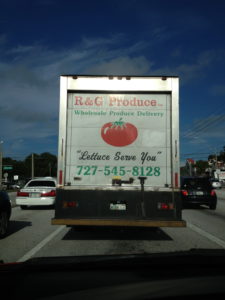 Now, I appreciate a good pun as much as anyone, but when used as a brand’s slogan, I usually find that it to be a weak effort at trying to create something memorable about the product or service. I suppose you could say that this implies better service in getting your lettuce fresh and on time, but it really needs more dressing (Ok, enough puns for now.) to make a differentiating statement. The truck sign did, however, remind me of how many companies try to create a brand by simply coming up with a new slogan or jingle. Most of the ad agencies that I worked with over the years claimed to be branding experts, but so often as soon as they got the assignment, the work started on a new ad campaign, slogan, logo, spokesperson, or package/store design.
Yes, these are all important elements in communicating the brand strategy, but unless a marketer does all the important work first these tools can do nothing more than create awareness. It takes intense and comprehensive research to determine the market potential, the extent of the competition and their strengths and weaknesses, what differentiates your product from the others, and what motivations the customers have to even consider what you offer in the first place.
A comprehensive marketing plan is absolutely critical in the development of a successful brand. Far too often, however, this plan is confused with the media or communications plan and the most of the time, effort, creativity and budget are dedicated to the execution. It’s no surprise that many brands fail even though they were supported by outstanding creative executions in support of a flawed premise for why the customer should try the product in the first place. Burger King has consistently produced some of the best, most creative marketing efforts in the fast food business. Yet, they consistently fail to meet the standards set by their equally aggressive competitors when it comes to operations and service. Having it your way means more than having the right toppings on your burger, it means having an experience that is consistent, friendly and efficient. BK never seems to quite get there. The same can be said for brands like Infiniti, Sears, Discover and many others who fail to clearly define what makes their brand better and why the customer should have a positive preference for them over the competition.

And another thing…Capital One has certainly created a unique brand in the highly competitive credit card business. I sometimes wonder where all that budget comes from to be able to ask the question: “What’s in your wallet?” in every imaginable way. I like Alec Baldwin, but I still am trying to figure out what the Vikings or Brave Heart look-alikes have to do with credit card points, but it certainly has worked. However, the new commercials with Samuel L. Jackson’s hardball pitch for their new Quicksilver card hits me the wrong way. Not that I don’t appreciate a straightforward approach, but does he really have to say “every damn day” to make the point? Cursing and innuendo have long become commonplace in today network programming on television, but it seems a large financial institution like Capital One could use some restraint and make their point without resorting to cursing and spending millions to send a message to our youth that it’s ok to be irreverent no matter who you are talking to. Moreover, what does this have to do with good branding?

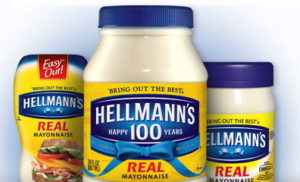 This year marks the centennial of one of the strongest brands in CPG—Hellmann’s Mayonnaise and the company’s marketing is celebrating with an effective campaign that sticks with what has made this the number one brand in the category for most of those 100 years. Hellmann’s is the top-selling mayo since Richard Hellmann started selling it in New York a century ago. Keeping the same product formula—and branding formula—throughout the years, the company has stuck with its “bring out the best” theme for the past 25 years. It’s parent, Unilever, has maintained the same recipe for success from its French roots and continues to insure that it has stayed with Richard’s wife’s version of the original recipe while constantly and consistently showing how mayo makes almost everything taste the best.
 Unfortunately, I don’t believe any advertising—no matter how creative or well placed it is—can make up for the lack of a meaningful brand strategy. Despite all of the aggressive ads, Sears simply isn’t a factor to the consumer anymore. In many of the groups that I present to or work with, I ask the question “How many of you have shopped or considered shopping at Sears over the past 6 months?” The answer is almost universally a resounding “None!” It’s hard to believe, but what was once the #1 retailer in America is no longer a factor for most customers these days. If you wonder why this happened, I suggest considering what Dr. Len Berry of Texas A&M wrote many years ago about what successful store have in common. The number one trait that the hot stores shared then—and now—is that they have a reason for being. And that reason is not just because there are other retailers who offer the same merchandise and services in a similar box. It’s a real reason for existing and for being firmly entrenched into the shopping lists of many consumers. Ask yourself (unless you work there) if Sears disappeared tomorrow, would you really miss them? Would you wonder where you were going to shop for appliances, tools, paint, automotive supplies and service? All of these were distinguishable strengths that Sears once maintained in the marketplaces. They not only were top of mind, but they were almost synonymous with these categories in their heyday.
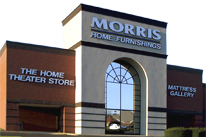 For example, take the case of Morris Home Furnishings from Dayton, Ohio. VP Marketing Robert Klaben provided some interesting examples of how his company was using social media to increase sales to the audience at the Main Street Session that was targeted to independent retailers. Kleben not only showed how Morris used Facebook (and other tools) to interact with their customers on an ongoing basis, but he showed how this has become one of the best measurement tools for evaluating the response to many of their promotions and loyalty building efforts. Sure, they were generating increased traffic and sales, but they have also been able to create loyalty that can be measured by the interactive responses and feedback that their customers are eagerly providing. These are not simply sales promotions, but brand building programs that are building relationships that will bring the customers back to their stores many times in the future. Granted the furniture business is not a frequent store visit experience, so you need to build an ongoing communication with your customers to be the first place they think about when the need for furniture arises. Their experiences show that the dialogue is building fast and the relationships are built on the heart not just the wallet.
 It’s time for more retailers to take the same approach as Morris. It’s now expected that a retailer will have a robust website that will provide them not only a chance to get product information but also help them complete the transaction. This simply gets you into the ballpark. However, to build a strong brand relationship, social and mobile marketing can certainly accelerate the process. Remember, convenience is more important than ever and the online media help make it easier than ever before to shop and make an intelligent purchase without ever having to go to another mall. Facebook has gone far beyond being a place to share your personal experiences. It is the forum for letting retailers know what you like and how you want your purchase experience.
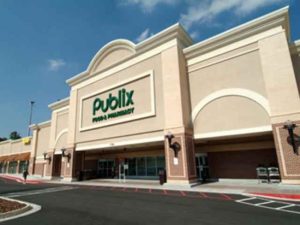 Shortly, after viewing the spot, I read the news that former Publix president and chief marketer had passed away in Lakeland, FL. In case you haven’t hear of Mark before, suffice it to say that he was more instrumental than anyone in making Publix a retail powerhouse in the southeast helping to build Publix sales from $3.2 Billion when he took over the top position to $27 Billion in just over 1000 stores in only five states. We won’t even talk about the dominant market share that Publix has built and the loyalty it has developed with its customers over the years. More significantly, however, is how Mark’s vision made Publix a brand that is part of the markets that its stores dominate. There are many factors that contribute to this strong position—well-run, well-merchandised stores in prime locations, loyal employees who love to work in a grocery store (although they don’t think of it in those terms), constant improvement in layout and design to really make “shopping a pleasure” (Publix’s long established slogan), and finally, to break-through creativity in their marketing that not only built a memorable brand, but also fought off the price competition so prevalent in this category of retail.
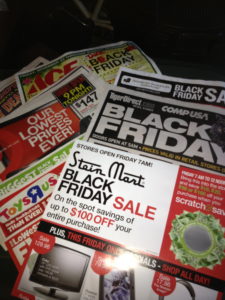 That brings me to Black Friday! Once again this year, retailers have abandoned any semblance of building a brand prior to the holidays in favor of the biggest sale of the year (or so they say). Even the name—formerly a trade description for the sales and profit potential of the day after Thanksgiving—is nothing more than a big clearance type of event. And it’s not just the retail stores. Black Friday is a good time to buy a car, clean your carpets, get your teeth whitened and just about any other business that is trying to get more customers at this time of year. Don’t have anything more to say about Black Friday? Just open the store even earlier…like Thanksgiving am or maybe even Wednesday pm. As a student of retail marketing, I admit that I went through every circular in the Thursday paper and didn’t find one that really stood out. Kohl’s and JCP outweighed the others but the messages were lost in the Black Friday shouting and screaming. Kind of like driving down the Grand Strand at Myrtle Beach or A1A in Daytona. Ycccch! The broadcast was equally boring, although Target dared to be different with some silly carolers that turned me off after the 6th time of seeing the spots (in one night). It’s time to give customers a reason to shop and then have a sale that means something other than a day of the week.
Recent Comments