BRANDING–A LOT MORE THAN AWARENESS
PRESS PLAY>>NOW TO VIEW THIS MONTH’S WELCOME MESSAGE FROM KEN
It finally happened this month. After many years of disappointing performance, changes in senior management, even more changes in CMO’s, and as many changes in advertising campaigns, Radio Shack announced that it was closing up shop after 94 years and thousands of store openings. Some of the stores will remain open with Sprint wireless being the primary offering, but it’s doubtful that the Radio Shack that built a strong awareness through aggressive advertising and convenient locations will ever come back as a retail marketer.
 Which brings about the question of brand equity. Many believe that if you build top of mind awareness, you have a successful brand. All you have to do is look at Kmart and Sears or Oldsmobile and Plymouth to mention just of few well-known names that just simply weren’t or aren’t relevant any more. As Radio Shack itself admitted in its 2013 Annual Report, the company “struggled to find its place in the market, and more important, with the consumer.” You have to give Radio Shack credit, it was able to spot new technology and become a pioneer in the electronic calculator, then home computers, and later with wireless. Yet, it never became the destination brand for any of them despite aggressive advertising.
The company hung on to its roots as the tech do-it-yourselfer’s place for those little things that helped one build or repair their electronic devices. However, as these devices became obsolete so fast that replacement was smarter than repair, and as the technology itself evolved to inexpensive chips and discs the need for all those little (high gross) “things” just was substantial enough to survive.
Radio Shack was not always lost in the woods, however. About 10 years ago, the company sold its Canadian operations to Circuit City (another high awareness/poor branding casualty). I was involved with CC as a client while at Doner and we were tasked with the challenge to rename the north of the border stores since Radio Shack would not allow its name on one of their competitors’ (CC) stores. It was an interesting challenge, but what was more interesting was to see how different the Canadian stores were from the American ones. With a separate management and merchandising team, the Canadian stores still had strength’s in wireless and personal computing, but it had really developed a niche for “gadgets” that people just like because they are unique and on the cutting edge. These are the items that have made Brookstone, Spencer Gifts, and SkyMall successful. It should be noted that Brookstone filed for and emerged from Chapter 11 last year which verifies the challenges of this category today. They are interesting items, in significant assortments, that make shopping the store and its ads more interesting…and fun. The stores were contemporary and in high traffic locations. Frankly, I thought that CC had hit on an idea that could have moved their entire American operations out of the severe doldrums they were facing. Winning the battle of big screens and laptops was not likely and a look at Brookstone’s success at that time made sense to me. Of course, that never happened as CC’s new management continued on a course of self-destruction and is now just a memory—despite its former high top-of-mind awareness.
Radio Shack (US) was in the same boat trying to do business the same way it did when the first pocket calculator sold for $375, when the first desktop sold for $2500 and the first flat-screen had an $1900 price tag. And only your stores had them. As competition increased, the small, neighborhood stores simply could not live up to a promise of assortment and innovation. Many have said that Radio Shack’s name was its problem and it certainly didn’t do anything to verify a contemporary tech store. However, had the company positioned itself with a brand strategy that built its awareness on the important values that the customers are looking for, the name would have been just fine. A few years ago, Radio Shack’s “You have questions, we have answers” campaign was the closest thing to building a brand promise that had merit given the lack of knowledgeable salespeople in the warehouse stores and other specialty stores. Given the success of Apple (both as a manufacturer and a retailer), Radio Shack could have built a brand based on cutting edge tech with knowledgeable people. Unfortunately, we’ll never know. And the awareness, like the stores will disappear.
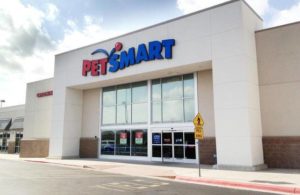 When I got to PetSmart in 1998, the company’s brand was essentially that of a big box, warehouse-type store for pet supplies. It had dog and cat food stacked to the ceilings, and low prices. But it was much, much more. I joined the company because Sam Parker (founder) and Phil Francis (then CEO) told me during our interview dinner that they wanted to have their customers love their stores as much as they loved their pets. You see, for most PetSmart customers their pets were members of their families—not just animals that lived at their houses. This became the foundation of a brand strategy that we developed and essentially still drives the store’s success today. Part of the strategy was to show that PetSmart associates (from the CEO on down to the selling floor) were pet lovers as well. A look at the annual reports revealed not only the officers but also their pets (who shared the official head shots. My family filled the bill. We had a yellow lab that we adopted some 14 years before I joined the company and several other pets along the way. Unfortunately, Cuddles (our lab and family member) passed away a couple months after I moved to Phoenix and joined the company. One of my first orders of business was to let our PetSmart Charities staff know that we wanted to adopt another pup—preferably a smaller breed and a few months later, Winter chose to live with us for the next 14 years.
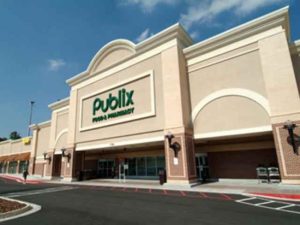 Publix continues to get national attention for its marketing even though its regional player in the grocery store business. There’s a good reason that it may be in just a few southern states but it’s revenues and customer satisfaction is right near the top nationally year after year and growing. Again, this year, Publix captures the spirit of the holidays with a couple of spots that bring out the family values and the sentiment of the season. They carry this through in-store and in their multi-faceted (read as “not just another sale”) print and online messages. Take a look at these spots that not only tug at your heart but also strengthen the promise that ‘shopping is a pleasure” at Publix.
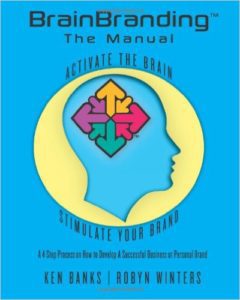 One of the principles that we stress in our book, BrainBranding. Activate the Brain. Stimulate Your Brand, is that your marketing communications have to always be in sync with your brand strategy. Whether it’s your advertising, your PR, your signage, or your designs, what you communicate should reinforce what you want to be famous for with your customers and prospects. I remember a few years ago when I was directing the major annual sales meeting for our operations and merchandising staffs at Eckerd, we contracted with a well-known and respected speaker on customer service and employee relations to give a keynote presentation to the over 1000 associates and suppliers in attendance. I had seen this expert at another conference and thought his message was right on for our strategy to better serve our customers and build employee morale. When he arrived at the meeting hall, he immediately went into a rage that the video setup was not as requested, using four-letter expletives and basically talking to us (who were paying him a premium fee) like we were imbeciles. If it hadn’t been 2 hours before his presentation, I would have cancelled on the spot and I assure you that no one who was present at the rehearsal believed a word of his presentation. His actions were not in rhythm with his message nor his promotional materials. I can assure you that later as I became a professional speaker, I never recommended this individual when asked for a recommendation.
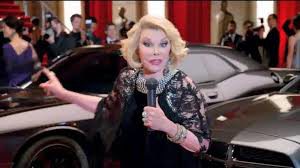 With Joan Rivers’ passing recently, I was reminded of how out of rhythm Dodge auto advertising was when they ran a campaign using her to promote their award event earlier this year. Chrysler has been trying to reposition the Dodge brand as a serious performance line but the Joan Rivers spots were silly and had no rhythm with the spots that ran earlier nor the current “heritage” spots running now.
 JCPenney’s rebranding efforts a couple years ago were well documented and pushed the company’s stock to all-time lows and comp sales to embarrassingly negative figures. It cost the CEO his job, the CMO left shortly after joining the company, and the customers stayed away as the company (which had positioned itself successfully versus traditional department stores and discount chains) abandoned providing consistent promotion mixed with strong positioning. The pendulum has swung back to aggressive promoting (like Kohl’s) but without the positioning that differentiated JCP from other retailers. Again it’s branding has been lost in a barrage of sales with no rhythm with the brand that was so strong in the past and stores that really are appealing to today’s customers.
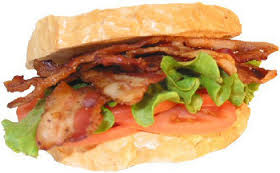 Subway sandwich shops have grown successfully with a brand that positioned them as a healthier alternative to traditional fast food chains. However, now it seems that they are piling on more junk food between the bread and more cholesterol and fat along with it. The messages are out of rhythm with the healthier approach without promising too much benefit. We all love bacon on our sandwiches but really enough is enough.
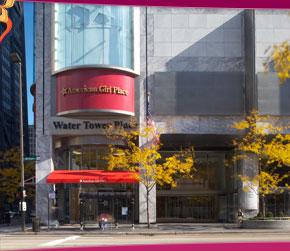 Speaking of the experience, we visited the American Girl store in Water Tower Place in Chicago (our granddaughter’s favorite place in the world) and talk about an experience! We were there on a Monday and the place was packed with 5-8 year-old girls accompanying their dolls (or girls as they call them) on a special shopping trip. Parents and grandparents were there too to pay for everything, but it was fascinating to see how AG has built an outstanding brand by building an experience for dolls that is so realistic and special that price is no object. Weather it’s getting an outfit for gymnastics or camping, they have it all and the girls love it. Need a new hairstyle; they’ve got a salon with specialists who can make that synthetic hair glow. Lunch? There’s a restaurant just for you and your dolls with special seating for the little ones. Even the rest rooms have special amenities for the American Girls while their live friends take care of business. The division of Mattel (what a sequel to Barbie!) now has 19 stores which offer what it calls “experiential retail” and if you look at their website for each store your daughter can choose from all kinds of experiences from birthday parties to a night out with your “girl” (for $195-240 per person). Starting out as a catalogue retailer, the company has created a cult brand that “inspires” their customers not just sell them a doll and its accessories. Their online business flourishes with an easy way for grandma to get just the right birthday or Christmas present without having to find a store. American Girl has learned that the brand is an experience and the more exciting they make it; the more loyal is their customer (and her parents).
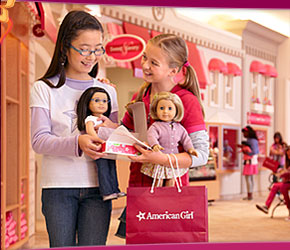 Whether it’s baseball or dolls, creating a memorable experience is the best way to build a relationship that makes a brand really special—and successful.
 Williams is one of the top brands in household painting. They have built a loyal following over the years with a quality product sold in a service environment. The key to Sherwin Williams retail success—in the face of aggressive competition from the big box DIY stores like Home Depot and Lowe’s—is the reliance on the personalized service and expertise that their stores have provided almost since the beginning. Excellent selection in a convenient environment with experienced, friendly paint experts who can help you find exactly the right paint in the right color with right tools to make the job a success. However, Sherwin Williams has utilized the new media to add to the personalized value that they have always provided. Using its app, ColorSnap, makes finding the right color not only a snap but enables the customer to visualize how it will look in their home. The app enables the customer to take a photo or scan a color that he/she wants to match in their home project. You simply download to the app and SW analyzes it and provides you with the exact match to your color choice. Then they go a step further and enable you to take a photo of your house or room and then, using their app, you can insert the new color over the area you plan to paint. You can even mask it around windows or doors so you can really get an accurate picture of how the job will look before buying the paint or getting a sample and painting spots on the walls to see what looks best. Seeing the entire project in the right color makes it much more accurate and representative of what the finished job is going to look like. You can then save the various color applications on line/phone and bring into the store and discuss with the paint expert. The process adds technology to a great brand based on personalized service. And, speaking from personal experience, it really works.
 Quest Diagnostics has grown to be the largest provider of health diagnostic lab work in the US with over 2200 lab patient centers and over 41000 associates. As lab work has become an important part of almost any doctor’s appointment today, Quest has become the preferred choice due to its convenience and service. However, as a lab user for many years, it has not always been the most convenient or pleasant experience. In recent years, the company has really made the effort to make the experience easier, quicker and more professional and painless (in many ways). Now the company has added the My Quest app so that you can not only schedule an appointment online so there is literally no wait and you can also follow up on the results right from your smart phone. By simply registering online and installing the app, getting lab work done is easier and more convenient than ever and now works with your schedule rather than the lab’s availability. It also facilitates the communication between lab and physician so that your results are more timely and easily understood by the patient. In addition to building a preferred brand for a very important and frequently used service, Quest has used the new media to make the entire experience a brand building opportunity.
 I think BMW could have taken over Pontiac and made it an American Driving Machine. For years Pontiac was branded as a performance car and by narrowing its brand focus would still have appeal to a younger, American driver.
 Mercury had a major share of the mature drivers (it was #1 overall in Florida for many years). If Volvo had taken over the brand and refocused it as something more than a Ford with a different emblem and model name, it could capitalize on the quality and dependability that Volvo is known for with the comfort that older Americans want.
 Saturn was one of the best branding stories in any category when it was introduced. Nissan or Toyota could certainly have applied some of their innovations to keep the loyal Saturn customers and again focus the brand on sedans that put it on the map originally (rather than SUV’s and sports cars).
 Thunderbird was a legendary sports car like Corvette and the brand was one of the most successful re-introductions a few years ago. Think what someone like Suburu or Kia could have done to bring Asian quality and design to a sporty new T-bird brand.
 Oldsmobile could have also capitalized on the Baby Boomer market who still wanted some of the quality that their “fathers” wanted in their cars. With a reputation from Hyundai or Land Rover and some re-styling that doesn’t look like another Buick, the brand could prosper in today’s market.
 Look how Fiat/Chrysler has re-introduced the Fiat 500 which had a terrible brand reputation in the ’60’s and ’70’s in the U.S. However, now it’s cute, trendy, and appeals to a whole new market that didn’t even know the care ever existed before.
 If Plymouth had stuck with cars like it’s Land Cruiser and Duster and had the creativity of a Mazda re-branding it , the brand could still be around and have a younger, loyal customer base.
 designer. While there were only a limited number of his designs on display (his notes reflected several thousand ideas that were developed), I was convinced that every one was developed for a particular reason—usually military weapons—that provided a solution to a particular problem or opportunity. Whether it was the ball bearing or a device that helped build a pyramid before hydraulics, the value of these concepts increased as the need for their benefits became more obvious in providing a competitive advantage over the users adversary.
 The point is that the first essential characteristic of a successful brand is to have a reason for being. The initial work is to determine why someone would try your product—or keep using it—and then reinforce this reason with an effective, creative message that cuts through the clutter and truly differentiates your brand from the others.
 The Macy’s Thanksgiving Parade is a special tradition that helps kick of the holiday season for retailers all over the world. Yet, it is also a wonderful sales promotion event to generate sales, awareness, and strengthen the store’s brand as a special place for holiday gift purchases.
 Bass Pro Shops has created Santa’s Wonderland at its mega-stores for several years now, but before you say that “Well, what’s new about that? Stores and malls have had Santa for years.) take a trip to your nearest Bass Pro and experience the transformation of the stores and their customers into a Christmas right out of the Hallmark Channel.
 ://www.cbsnews.com/news/westjets-holiday-video-becomes-an-online-sensation/
Recent Comments