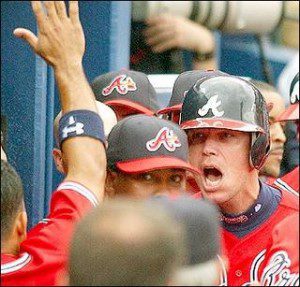
 As the baseball playoffs got underway last night, the line-up of teams by and large looked the same as usual with the Yankees, Red Sox, Angels and –oh yeah, for the 14th straight year—the Atlanta Braves.
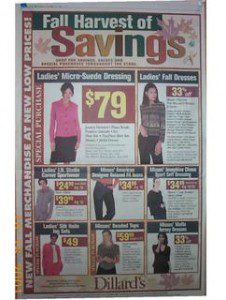 There isn’t a presentation that I do or a discussion that I am involved with in this retail marketing and branding world which doesn’t come down to a discussion about low prices being the key to getting today’s consumer. No doubt about it. Every consumer market research study that I have ever seen ranks price as number one in importance in selecting a place to shop. I always point out that this is no surprise and that price just gets you on the playing field and it’s all the other branding and marketing activities that a store does which make up the customer’s mind as to where he or she is going to spend their dollars. It inevitably comes down to a discussion about value. After all, if it really was all about price, we’d all be driving Dodge Neon’s and doing all our shopping at Wal-mart.
That’s why it was interesting to see the news reports last week about Neiman Marcus’ 4th Quarter performance, which showed record-breaking results:
“Apparel and accessories retailer The Neiman Marcus Group Inc has enjoyed fourth-quarter and full-year profit increases, encouraged by full-price sales and expense control.
Fourth-quarter net earnings leapt 67 per cent to $34 million compared to $21m in the same period last year. Net sales totaled $851m compared to $784m the year before, while same-store sales grew 9.6 per cent.” Just-Style.com, 9/7/05
Wait a minute. Did that say “full-price sales” helped earnings increase 67%? Now, granted N-M has never been known as a place for great discounts. But if the consumer is so conservative and looking only for a good price at all levels of income, this just doesn’t seem to make sense. (Especially, when you read that Saks sales were down 0.3% for the month)
I didn’t have to wait long for an explanation. The day after reading this report, I was talking with a colleague of mine from the National Speakers Association and we were discussing my presentation focus and the importance of people in the branding strategy and execution. She indicated that she was a regular shopper at Nieman’s—not a really big spender, but a loyal customer. She said it was all about the way she was treated and that even though she didn’t consider herself a major customer, the store treated her as if she was one of the late Stanley Marcus’ dear friends. She said she regularly received mailings and personal phone calls advising her of new merchandise that matched her past purchases and tastes. More importantly, she said, “was the way she was treated when she walked into the store. “People actually called to me by name and welcomed me back. They made me feel like I was the most important customer in the department. And my friends, who sometimes accompanied me, were really impressed.”
Well, if it works at Nieman’s, it certainly works at the local grocer, the corner drugstore and the big box at the local Town Center. Give the customer personalized and interested service and they will come back and drive up your profitability. A few years ago, Yankelovich and Partners, did research which showed that over half (53%) of customers will pay as much as 10% more to get good service. So why don’t stores make sure that the people in the store understand this and perform to customers’ expectations. Unfortunately, it’s because management is too obsessed with the next great sale circular or full-page ad or major promotion. Loyalty is the key—both from customers and from employees—to driving up record sales and profitability. Stanley Marcus understood this a long time ago. It’s time for today’s merchants and marketers to get with it too. It’s a people business after all.
Let us know what you think.
Ken
 Much has been written about these two discount chains over the past several years, drawing comparisons (and mostly differences) about how one chain has succeeded unbelievably while the other has teetered on extinction for quite a while. A couple things occurred to me as I read these articles that I thought would be good material for this forum.
 Just over a month ago, I finished an exciting and challenging assignment with Doner Advertising in Detroit. Doner is one of the leading agencies in the country and one which still specializes in working with companies who need to reposition themselves in a hurry in order to survive.
Recent Comments