
OUT OF THE ASHES, BUILDING A BRAND….AGAIN..
PRESS PLAY>>TO VIEW THIS MONTH’S WELCOME VIDEO
OUT OF THE ASHES, BUILDING A BRAND….AGAIN..
Usually, my first blog of the year is dedicated to reviewing the holiday marketing efforts and commenting on those who missed the target again. Again, this year I could focus on the news of closings at stores like Sears, Macy’s, and the latest disappearance of The Limited which for years failed to communicate a reason to shop any of their many branded stores. Instead, let’s take a look again at what one great company did at the holidays to build its relationship with its customers and communities by going above and beyond promotion and doing something great…and building it’s brand in the process.
 Once again, WestJet, the Calgary-based economy airline, took a look around and found a reason to do something really extraordinary at the holidays. This time it was to bring the spirit of the holidays and send a message that it’s more than just good business to do the right thing for the people in your markets. This year, WestJet decided to do something big for the people of Fort McMurray, Alberta, which was devastated by wild fires last spring. In case you might not remember the tragedy, here’s a summary from Wikepedia on what happened:
“On May 1, 2016, a wildfire began southwest of Fort McMurray, Alberta, Canada. On May 3, it swept through the community, destroying

Record fires destroys Ft. McMurray
approximately 2,400 homes and buildings and forcing the largest wildfire evacuation in Albertan history.[7][11] It continued to spread across northern Alberta and into Saskatchewan,[12] consuming forested areas and impacting Athabasca oil sands operations.[13][14] The fire spread across approximately 590,000 hectares (1,500,000 acres) before it was declared to be under control on July 5, 2016.[4] It is the costliest disaster in Canadian history.”

WestJet greets citizens
Needless to say,the impact of this disaster on the people of Fort McMurray was indescribable and the holidays would only serve to remind them of their losses– both physical and emotional. WestJet and its employees decided to make this Christmas special in the town and created an event that its citizens would remember. The stories that they recorded from some of the townspeople are moving, the personal contribution and spirit of the employees is exemplary, the gift of a free flight for each citizen was above and beyond. Then the marketing of the event once again proves that a big company can act as a close friend or family in an authentic way. Take a few minutes to view the story at this link and I think you’ll see what I mean. Be sure to scroll to the interviews which are best ROI a company can achieve on something like this:
Click on : https://www.westjet.com/en-ca/about-us/story/christmas-miracle

Employees share gifts

Santa visits Ft. McMurray for WestJet
This isn’t the first time that WestJet has won over the hearts of its cusomters at the holidays and I doubt that it will be the last. This is a company that gets it. It’s growth continues by running a good airline but its brand is stronger by being a good citizen. The companies that have downsized or closed failed to realize that branding is a culture that must be sustained and nurtured all year with every transaction and through every communication. With that kind of commitment, we can all look forward to a great 2017.
 in brand management on Folger’s Coffee. Back then, going to work at P&G was comparable to getting your doctorate in marketing and the strong foundation for a career in branding. One of the first things I learned was that SHARE OF MARKET was the most important measurement of a brand’s success. In my time on Folger’s, we never looked at a sales report like I did when I moved to retail a few years later. It was all about share and analyzing Nielsen reports every other month by market, by brand, by product and then analyzing what we did that worked to improve share or what the competitors did to take away share. Did a special promotion work? Did a change in campaigns have a positive effect? (Although we never change our ad strategy in my time there.)
 Macy’s continues to run its BELIEVE campaign for the ninth straight year and it’s better than ever. If you’ve been reading my blogs for a while, you know that I’m not a big fan of any department store marketing for quite some time. However, Macy’s still has a commitment to making its store an important part of their customer’s holiday season.
 special store mailboxes. Yes, Virginia, they’re doing it again and it’s just as special as the first year with driving home the true meaning of Christmas giving and benefiting the community at the same time.
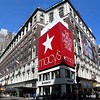 In short, Macy’s gives us a reason to make the season special besides their one-day sales, 12 hour sales, holiday specials, etc. It’s all part of the Macy’s Brand that would hold true for any major department store as was the case in Christmas’s gone-by. Let’s hope this tradition continues!
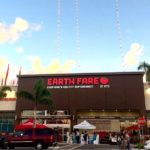 Walking through the crowded aisles at the brand new Earth Fare store that just opened near me last week, I was impressed first by the amount of customers and then by the selection of organic and home grown products that were offered. It reminded me of my first trip to Trader Joe’s several years ago on the west coast or more recently to my initial visit to a Whole Foods in Detroit a few years ago, interesting, exciting, a sense of discovery. Not that we’ll shift our food shopping from our favorite Publix store, but this new store was a refreshing change in the shopping experience. Even though the store’s outdoor sign said it was established in 1975, the concept is new and refreshing and it capitalizes on the major trend in consumer preferences for natural and organic products in an innovative environment.
 When I started this blog some 12 years ago, my goal was to replicate the many Monday morning quarterback sessions by phone with a select number of my peers in the retail, ad agency, and supplier worlds. Once the Monday am executive meetings were finished, there was always time for a call or two to get their insights on what was happening in our industry. We would talk about a new everyday pricing strategy at Sears, an acquisition by Saks, quarterly results for Walgreens, or what were they thinking with that spot on Super Bowl?
 I wondered how do small vintners succeed in gaining shelf space and share of market. I asked Wayne Fieldsa, a small, family-owned Sonoma vineyard owner, who stopped bottling his own wine a few years ago and now supplies grapes to other winemakers, what it takes to succeed in today’s wine market. He conceded that the large companies will continue to grow and acquire small wineries that have developed successful brands just as the major breweries have taken over many craft brewers around the country. However, he said that there still is plenty of room for wines that create a niche for themselves and a brand that is distinguishable. For example, he specialized in Syrah grapes and produced some award-winning varietals that helped gain
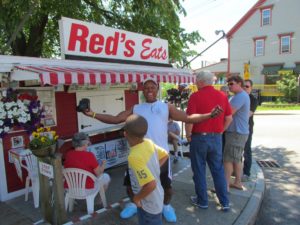 Finally, there are plenty of places to get lobster rolls in Maine and all of them are pretty good, but Red’s Eats in Wiscasset on the Back River not far from Bath, ME, has created a brand that brings customers by the hundreds to stand in line for their lobster rolls (a pound of meat in every roll is the brand promise) and fried clams, served out of a small, food trailer right on US1 and the bridge over the river. Across the street is a lovely restaurant with A/C and windows facing the river. On a Sunday, there’s no wait for a table, but across the street the crowd at Red’s is testimony to a brand that brings them in from all over and bring them back again for more. The list can go on and I’m sure you have some small brands that have big-time loyalty near you. It’s all proof that the important factor in a successful brand is to determine a customer need that other similar products or services don’t provide or provide as well, and then communicate that value in an honest, consistent manner in everything you do.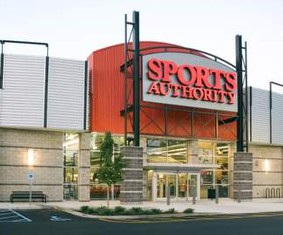
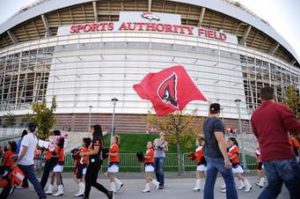
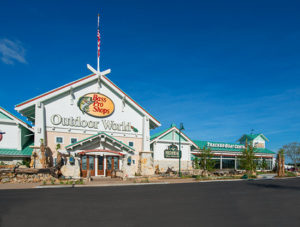 Before writing this article, I visited the newest Bass Pro Shop location in the Tampa Bay area and it was obvious why Sports Authority was fading fast. The Bass Pro shop was an exciting experience. Huge displays, interesting experiences, valuable in-store events. Then there is the selection from more fishing rods than I have ever seen to more cammo gear than in a military post. From boats to ACV’s and with a restaurant that’s worth making the trip just for the menu, Bass Pro gets it. And it’s always supported by an effective, on-target marketing campaign. Across the road was a new Dick’s Sporting goods and while not as over-powering as Bass Pro, it was everything that Sports Authority should have been but wasn’t even close. And Dick’s marketing is as good as Gatorade or Under Armor in creating a relevant, adifferentiated brand of stores.
Recent Comments