A BRAND THAT NEVER GREW UP!

TOYS R US FOUNDER CHARLES LAZARUS
Last week one of the retail hall of fame entrepreneurs passed away. Charles Lazarus, who founded and built Toys R Us into one of the retail box store powerhouses died (maybe of heartbreak) just a day after the company announced that it was closing and liquidating all of its retail stores. Most retail analysts attributed it to the growth of Walmart, Amazon and the warehouse stores. To be sure, this increased competition certainly played a factor in the company’s demise.
However, I believe that, like so many of the other retail disappearing acts of the past several years, it was  really a case of having, updating, and maintaining an effective brand strategy that led to the lack of interest by so many customers over the past couple decades. Most big box category-killers (like Toys, Circuit City, Office Depot etc.) opened up to the “wows” of customers who had never seen so much of one category in one place. Unfortunately, as successful brands know, you have to consistently strive to improve and react to the customers in order to maintain their relevance. Price alone only gets you on the playing field. Selection improves on getting trial. But becoming and maintaining a brand that people love, that’s what builds an enduring brand.
 Toys R Us had lots of toys, for sure. But their price image never seemed to keep up with their inventories. Nor did the customer service. Nor did the operational excellence as the stores became worn down and tired. There are always new innovations in the toy market and yes, TRU always had the latest trends. However, they never seemed to create an excitement that was present in the department stores during the holidays in their hay day. The company built a destination store near Times Square in New York that rivaled the excitement of FAO Schwarz around the world, but never was able to translate that excitement in its hundreds of branches in the suburbs of American cities. It’s marketing never went beyond it’s original “I don’t want to grow up. I want to be a ToysRUs kid” campaign. Despite efforts to revive the theme over the years. There was no enticement for parents and grandparents to come back and not much youthful excitement of the kids to convince them to go back as well.
GEOFFREY THE GIRAFFE THE BRAND’S SYMBOL
My long-time retail marketing peer and good friend, Ernie Speranza, former TRU CMO, agrees and he also indicated that the decision to establish Babies R Us as a separate chain was also a mistake. The opportunity to get parents coming in to Toys R Us locations when the kids were born and create a shopping habit as well as an awareness of toy trends and news was missed as Babies R Us did well but failed to translate as the kids grew up. The company had the opportunity to be the destination for disposable diapers and the sales volume that meant. Instead Walmart , other discounters, and grocery and warehouse stores built loyalty with their inventories and prices. Of course, there is also the expense savings that having one store doing more sales with less capital and labor that would have enabled Toys R Us to spend more on effective branding and marketing to maintain a higher market share.
So, as I visited my local Toys R Us last week, I noticed the full parking lots and streams of customers who hadn’t been in the stores for quite a while. They were there to take advantage of the 60% Off going out of business sale and one last visit to a retailer that failed to grow up with them.
Click on the link to view one of the classic Toys R Us commercial and sing along!
 I was speaking recently with a long-time advertising colleague and friend and we were talking about the state of retail marketing. He indicated that he thought that all of the hype about Amazon was exaggerated and that brick & mortar retail was still the foundation of consumer selling. I agreed that “no, retail stores were not going to completely disappear anytime soon”, but I felt that the retail landscape had been changed forever. And, I pointed out that Amazon was probably the biggest factor in this retail revolution. Granted, the internet in total was the reason that shopping patterns had dramatically changed, but Amazon has been the leader in the changes in the way people shop more than any other single marketer in the world.
 package with those smile symbols on the side should be evidence enough that Americans are shopping more from their laptops and phones than we ever imagined just a few short years ago. And the pattern crosses all demographic and economic profiles with male and females, young and old, rich and poor, etc., etc. and there is no turning back. The disappearance of shopping malls personifies the changing shopping habits, but the delivery boxes demonstrate how we have become a nation of purchasers instead of a land of shoppers more than ever. I have to admit that we receive on average 2-3 Amazon deliveries a week and we don’t consider ourselves online junkies at all. The reason this is so common is simple. Amazon has created a brand that means convenience, time-saving, and savings for just about anything that you want to buy.
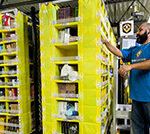 I’ve purchased everything from pool pumps to green tea, from auto wheel covers to protein shakes, and more and more. The reasons are simple. 1. It’s easy. I can buy just about anything we need with one click with Prime. 2. Not sure what you need? Search in general topics and you’ll find what you need quickly. 3. Not sure what to pay? You can compare prices at conventional retailers, online, catalogues, you name it…and the savings are usually significant enough that it’s a no brainer.
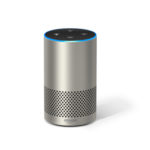 recognition service has Siri running and fostering a number of other in-home voice service like Google and Home Pad growing at a hectic pace. The other big news recently was the launch of Amazon Go, a check-out free food store that is a game changer in the grocery industry using technology being developed for other high-tech innovations. Over 15 years ago, I attended the National Retail Federation’s annual convention in New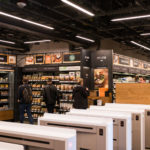
 A TRIBUTE TO A GREAT AD MAN AND FRIEND
 John Lewis consistently sets high standards for Christmas creativity that reflects their unique partnership strategy for their stores and online business. This year they feature Mox the Monster in a fairy-tale-come-true spot that hits home. The Beatles’ classic tune sets the pace and completes the engaging message.
 ALDI has been a leader in food retailing in Germany for over 40 years and it’s making aggressive inroads in building market share in the US. The chain has grown to over 1700 stores in 35 states serving over 40 million customers each month in their simple, streamlined stores and product assortments. Their advertising here reflects that organization but when it comes to branding, the company hasn’t exported its creativity as seen in this spot featuring carrots. Not your most typical Christmas product (unless you’re Frosty) but the veggie makes sense in these UK spots. Take a look by clicking on this link
  M&S (Marks & Spencer) was founded in 1884 as a single-stall retailer that has grown internationally as a multi-channel retailer with 914 stores serving 32 million customers in the UK. It does it successfully by providing a unique British shopping experience and by tying in with a favorite in Britain—Paddington bear. Take a look by clicking on this link
  McDonalds may not be the first place you think of when it comes to carrots (yes, carrots again for Christmas…maybe a new trend in the UK) but the company has always set the standard for great campaigns here in the states but this year the US has seen nothing but breakfasts and burgers while overseas the company remembers that McDonald’s is the #1 convenient fast food store.
 NFL Shops may not be the first place you think of at this time of the year, but their merchandise becomes more relevant as the playoffs near. Usually, the branding is tied only into the weekly televised games but this year they have a special holiday message that scores a touchdown in my branding offense.
 Coke is a part of many Christmas celebrations and gatherings and its awareness continues to grow each year. This year in Europe Coca Cola gives a whole new meaning to sharing the Christmas spirit not only with your neighbors but good old St. Nick as well.
 I hope you took the time to click on and watch these commercials. Not only is it a great example of holiday branding, but they surely will bring the Christmas spirit to you as well.
 Michigan State fan (Wayne State was no football power). I became a Detroit Lions fan early on and can remember listening avidly to their last NFL Championship team in 1957. Later on, I was a charter season ticket holder for the Tampa Bay Buccaneers and went to every game for 13 seasons until I got tired of losing. Now…not so much. Like many others around the country I’m not addicted to NFL football or college football anymore.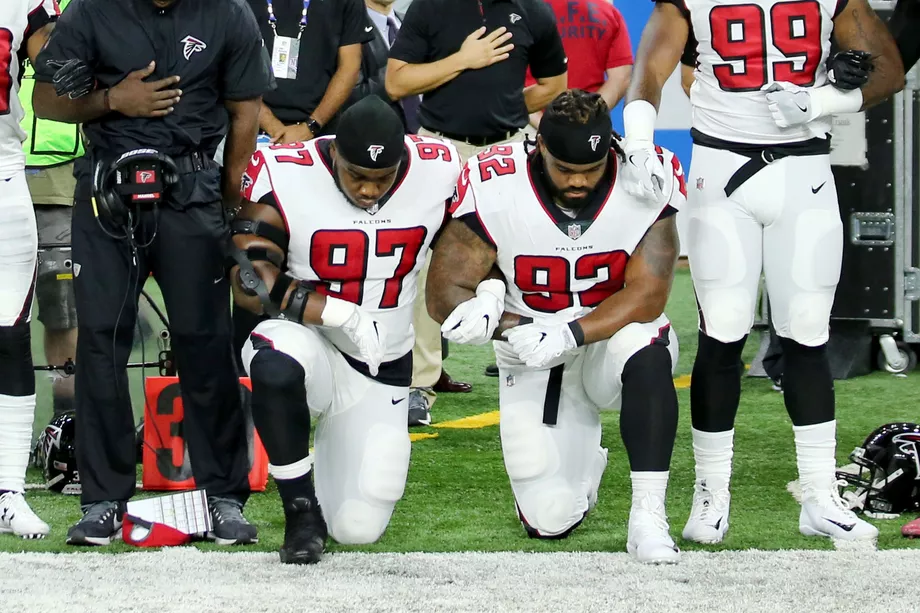
 with an award winning spot on the importance of family at this time of year. Take a look:
  brought even more elaborate and intricate models. I am fascinated by the LEGO stores that I’ve visited here and abroad, and recently enjoyed visiting LEGOLAND near Orlando. I particularly was amazed at the creation of major US and Florida cities at the park which were completely made out of millions of LEGO bricks. So, it shouldn’t be a surprise that when a LEGO sculpture exhibit (The Art of the Brick) came to Tampa, we had to see what sculptor Nathan Sawaya could do to add magic to these simple bricks that have been the same since 1932.
 themselves. His description of the exhibit describes his motivation very well: “This exhibition engages the child in all of us while at the same time highlighting sophisticated and complex concepts. Chances are you probably don’t have a slab of marble or a ceramic kiln at home. But I bet you have some LEGO bricks. You can say that again, Nathan. We find one or two quite frequently around our house and enjoy putting them together as much as the kids. I’ve also been fascinated by the LEGO brand for years and how it manages to endure and thrive from one generation to another. It has also grown to a $2.1 Billion brand that is now the world’s largest toymaker by revenue.
 Founded in Denmark, the word is derived from the Danish words “lego godt” which means play well. I also can come from the Latin “lego” meaning “I put together” and marketers can certainly recognize that this brand plays well in the competitive retail market place and that they have put together a brand strategy that endures and continues to grow surpassing brands like Mattel as an all year/all ages brand.
 Asian expansion will soon follow. To reach even more potential customers (and creative sculptors) the company has five LEGOLAND amusement parks in its home city of Billund, Denmark, Carlsbad, CA, Winter Haven, FL, Windsor, England, and Gunzburg, Germany, which are operated by Merlin Entertainment. We found the park to be fascinating and enjoyed staying at the LEGOLAND Resort Hotel which brings the brand alive not only in the rooms but throughout the property.
Recent Comments