BUILDING A BRAND BY THE COMPANY YOU KEEP
PRESS PLAY>> TO VIEW THIS MONTH’S WELCOME MESSAGE FROM KEN
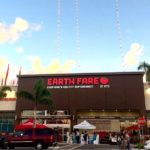 Walking through the crowded aisles at the brand new Earth Fare store that just opened near me last week, I was impressed first by the amount of customers and then by the selection of organic and home grown products that were offered. It reminded me of my first trip to Trader Joe’s several years ago on the west coast or more recently to my initial visit to a Whole Foods in Detroit a few years ago, interesting, exciting, a sense of discovery. Not that we’ll shift our food shopping from our favorite Publix store, but this new store was a refreshing change in the shopping experience. Even though the store’s outdoor sign said it was established in 1975, the concept is new and refreshing and it capitalizes on the major trend in consumer preferences for natural and organic products in an innovative environment.
I was particularly impressed by the number of branded products lining the shelves and the coolers that I had never heard of before. Food stores have long been the home to Consumer Packaged Goods that have dominated the marketing media in the battle for market share. However, here the selection was based more on innovation and niche product benefits that the customer will seek out once they have loyalty to the store brand and what it stands for. In my branding articles and books, I always stress the need for communicate the products unique value and benefits in order to create a successful brand. However, sometimes you can’t afford the expense necessary to build awareness or be able to communicate your unique selling proposition. That’s when it becomes important to seek an established brand to help your brand by association.
Just as soft drink companies sign long term contracts with fast food restaurants to build their brands, lesser known brands seek preferred status in distribution. Certain wineries seek to be on the wine lists and popular restaurants to build awareness and preference. Electronics companies, like Infinity, supply the multi-media equipment in popular auto models. Bedding companies tie in with major hotel chains to add value to their brand as well as the hotel owner’s. In my drug store days, we sought out the support of Good Housekeeping to put its seal on our private label products to add credibility and value. JetBlue enhanced its service reputation by adding Dunkin Donuts brewed coffee on all their flights. Nike built its brand by sponsoring major sports teams and golfers to insure that their swoosh logo was visible with an implied endorsement.
This is what’s happening in Earth Fare where hundreds of homeopathic drugs and supplements line the shelves with the only sales pitch being “try this because we sell it here. So it must work.” We are reliant on the store to substantiate our choice of certain products. If this brand, that I believe and trust, sells it, then it must be good.
As the brands grow and develop a loyal customer base, the complementary benefits work both ways and the brands continue to grow successfully together.
 When I started this blog some 12 years ago, my goal was to replicate the many Monday morning quarterback sessions by phone with a select number of my peers in the retail, ad agency, and supplier worlds. Once the Monday am executive meetings were finished, there was always time for a call or two to get their insights on what was happening in our industry. We would talk about a new everyday pricing strategy at Sears, an acquisition by Saks, quarterly results for Walgreens, or what were they thinking with that spot on Super Bowl?
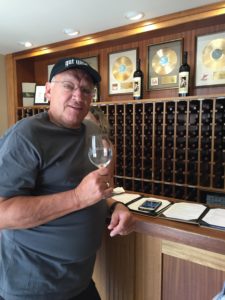 I wondered how do small vintners succeed in gaining shelf space and share of market. I asked Wayne Fieldsa, a small, family-owned Sonoma vineyard owner, who stopped bottling his own wine a few years ago and now supplies grapes to other winemakers, what it takes to succeed in today’s wine market. He conceded that the large companies will continue to grow and acquire small wineries that have developed successful brands just as the major breweries have taken over many craft brewers around the country. However, he said that there still is plenty of room for wines that create a niche for themselves and a brand that is distinguishable. For example, he specialized in Syrah grapes and produced some award-winning varietals that helped gain
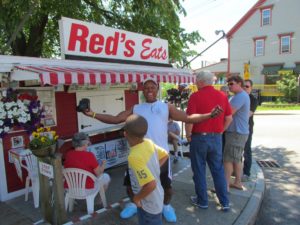 Finally, there are plenty of places to get lobster rolls in Maine and all of them are pretty good, but Red’s Eats in Wiscasset on the Back River not far from Bath, ME, has created a brand that brings customers by the hundreds to stand in line for their lobster rolls (a pound of meat in every roll is the brand promise) and fried clams, served out of a small, food trailer right on US1 and the bridge over the river. Across the street is a lovely restaurant with A/C and windows facing the river. On a Sunday, there’s no wait for a table, but across the street the crowd at Red’s is testimony to a brand that brings them in from all over and bring them back again for more. The list can go on and I’m sure you have some small brands that have big-time loyalty near you. It’s all proof that the important factor in a successful brand is to determine a customer need that other similar products or services don’t provide or provide as well, and then communicate that value in an honest, consistent manner in everything you do.
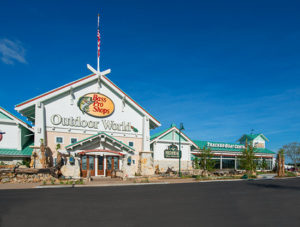 Before writing this article, I visited the newest Bass Pro Shop location in the Tampa Bay area and it was obvious why Sports Authority was fading fast. The Bass Pro shop was an exciting experience. Huge displays, interesting experiences, valuable in-store events. Then there is the selection from more fishing rods than I have ever seen to more cammo gear than in a military post. From boats to ACV’s and with a restaurant that’s worth making the trip just for the menu, Bass Pro gets it. And it’s always supported by an effective, on-target marketing campaign. Across the road was a new Dick’s Sporting goods and while not as over-powering as Bass Pro, it was everything that Sports Authority should have been but wasn’t even close. And Dick’s marketing is as good as Gatorade or Under Armor in creating a relevant, adifferentiated brand of stores.
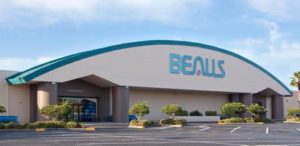 A few years ago, while spending some of my career on the advertising agency side of the business, I had the pleasure of working with the marketing people at Beall’s Department Stores in Bradenton, FL. The company had been in business for several years and had become of favorite shopping place for “mature” customers in Florida and Arizona by understanding who they were NOT trying to be. Beall’s (pronounced Bells) was not trying to be Macy’s, nor Kohl’s, nor JCPenney, nor Ross, nor TJMaxx. For that matter they weren’t trying to be just like any other stores competing with them in their select markets. The company understood the casual lifestyle of its customers. They understood that they were looking for a lower prices. They wanted quality brand names. They were no slaves to fashion. And they wanted a pleasant shopping experience at the store.
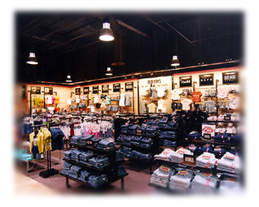 the registers were line up down the aisles with shoppers taking advantage of pretty much the same promotional offers that Beall’s offers regularly to its customers. The store was well organized and contemporary, but frankly not much different than the store that was demolished just 6 months earlier when the mall was torn down in favor of a new town center concept. Beall’s was the first to open this week. The store wasn’t exciting, and that’s the point. Beall’s brand isn’t necessarily exciting. It just works for the customers that they have targeted in over 100 years of doing business. Consistent, clean, well-merchandised, effective graphics all living up to the brand promise. A solid mixture of national brands like Columbia, Gloria Vanderbilt, Skechers and Dockers mixes well with Beall’s own Reel Legends, Guy Harvey, and Carribbean Joe.
Recent Comments